
Well, that took long enough, didn’t it? We finally have all 32 participants in the World Cup of Hate, having scoured the entire world for the best rivalries in all of soccer. Of course, while that claim can be made for the majority of these rivalries (and all 32 can at least claim to be at worst tied for best in their country and among the best in their continent), the two-rivalry-per-country rule and the one-dominant-rivalry rule mean that some other rivalries that may objectively be better than some finalists didn’t qualify for the final tournament. In addition, the limit of a certain number of rivalries per continent (even Europe’s large comparative total) didn’t feel enough, with there being at least one rivalry per continent that likely would’ve have it had the allotment been just a little bit bigger. But which rivalries are we talking about? Let’s go through my most painful and closest cuts — the best rivalries that barely missed out on the final tournament.
TOP 10 RIVALRIES THAT DIDN’T MAKE THE WORLD CUP OF HATE
There will be some major rivalries that don’t even make this list here. Perhaps the biggest one is the Madrid Derby between Real and Atletico. While I don’t want to diminish the intensity and history of this fantastic rivalry (or other Spanish ones like the Seville Derby), El Clasico was always going to be the choice for Spain, even if there is a somewhat vocal minority that feel the Madrid Derby is actually better. The same goes for the Manchester Derby and Merseyside Derby. Manchester City and Everton have been too shit historically for either rivalry to get the nod over the ones that were chosen (I don’t care how good City is now — I’m not awarding a rise to the top via injection of oil money). All told, this is more towards how tough it was for me to prevent these rivalries from making the list and not necessarily how popular they are in general.
HONORABLE MENTION: ALGIERS DERBY (ALGERIA)
The one North African soccer power I didn’t mention was Algeria, which has a particularly intense rivalry in its capital city. The Algiers Derby pits MC Alger against USM Alger, with both clubs founded as an outlet for the Muslim population. In 1956, as a result of the Algerian War, the National Liberation Front ordered all sports to stop and called for a boycott on all Muslim clubs. MC Alger refused and as a result was subject to persecution, which deepened the bad feelings towards USM Alger (who had complied). Algerian fans, like their neighbors in North Africa, are incredibly passionate and vocal in support of their clubs, with the Algiers Derby always having an amazing atmosphere. This passion is often fueled by politics, especially in recent years. The rivalry has also seen tragedy, after a partial collapse of MC Alger’s stadium resulted in the death of two fans during a match against USM Alger. Ultimately, I didn’t want every African rivalry to be from the North and the other three I chose were a bit more appealing.
HONORABLE MENTION: OSAKA DERBY (JAPAN)
It felt weird to not include a rivalry from Japan, which is one of the largest and most successful countries in Asia when it comes to soccer. However, Japan’s soccer scene as a whole is too young and overall too peaceful to produce a rivalry that stands out above four (technically five) others with more history and passion (even South Korea’s Super Match), let alone stand out above the rest in their own country. The one that comes the closes is the Osaka Derby between Gamba Osaka and Cerezo Osaka. Cerezo started out as Yanmar Diesel in the old Japanese Soccer League and had a reserve team. That team was shut down in 1979, with the players and staff being recruited to form Matsushita Electric SC. After initial struggles, Matsushita was promoted to the top flight in the early 1990’s, right when Yanmar was relegated. This also came right when the J.League was formed, with Matsushita renamed Gamba and being Osaka’s sole representative. Yanmar (now Cerezo) eventually returned and stabilized itself in the top flight.
HONORABLE MENTION: WIENER DERBY (AUSTRIA)
When you think of heated soccer rivalries in Europe, Austria doesn’t usually come to mind. But the country’s capital city, Vienna, hosts quite a testy tussle. Even though Vienna is spelled Wien in German (thus giving the Vienna Derby the more hilarious-sounding Wiener Derby name), this feud is anything but funny. The division comes both at the class level and between certain areas of the city. SK Rapid Wien was founded as a club for the working people and largely claims support from the north and west areas of Vienna. By contrast, FK Austria Wien were much more elitist in their founding (requiring a minimum intelligence level for entry) and currently calls the southern part of the city home. The two clubs are the most successful and popular in Austria, both having never been relegated. It’s also fairly competitive, with both clubs having well above 100 wins and well below 100 draws. The atmospheres for these clashes are underrated in the grand scheme of Europe, with loud, colorful, and even sometimes dangerous scenes involved.
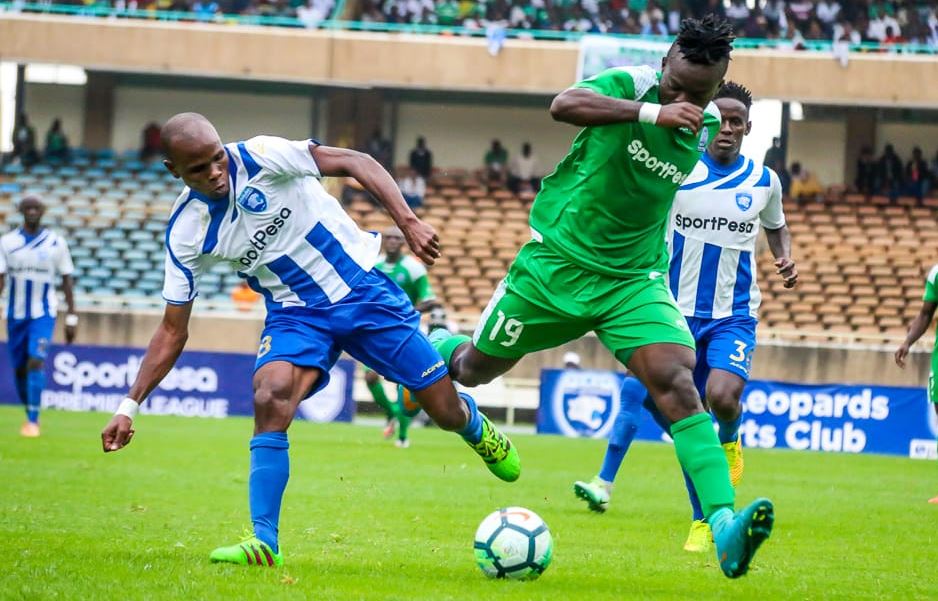
10. MASHEMEJI DERBY (KENYA)
The last African rivalry to be cut from the final list, the Mashemeji Derby lost out to the Kariakoo Derby just because I thought the bit of fans betting a night with a neighbor’s wife on the match was hilarious. But that doesn’t mean the Mashemeji Derby wasn’t worthy of a spot. Based in Kenya’s capital city of Nairobi, the Mashemeji Derby sees AFC Leopards (an amalgamation of several smaller clubs formed in 1964) battle Gor Mahia (another amalgamation named after a medicine man/magician in Luo mythology) for supremacy in the country. That ancestry with Gor Mahia’s name means it clashes with Leopards’ Luhya ancestry, technically making this a trival battle. The pair are also two of the three most successful clubs in Kenyan soccer history and often face each other for trophies. Both teams and fan bases are often involved in hooliganism, with several violent incidents involving riots and other fighting. While Gor Mahia fans are more guilty of these offenses, Leopards fans are far from innocent, adding intensity to the rivalry.
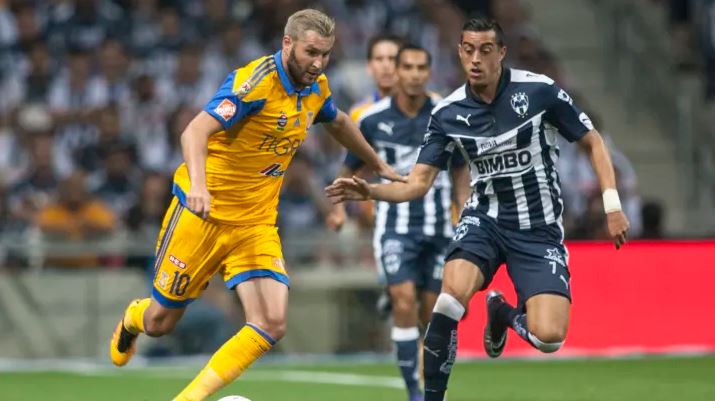
9. CLASICO REGIOMONTANO (MEXICO)
Although Mexico’s representative was clearly El Super Clasico (due to its history and the overall popularity of Chivas and America), many experts think the Clasico Regiomontano is the better rivalry right now and it’s easy to see why. Monterrey and Tigres UANL have an intense hatred and are cross-town rivals, as opposed to being from different regions. Through more than 130 matches played, the rivalry is also extremely competitive, with Tigres having just three more wins (and 12 more goals scored) than Monterrey, which has just four more wins than draws. The Clasico Regiomontano is also unique in that not only has it been played for silverware (including the Liga MX title in 2017), but also for survival (a Monterrey win officially relegated Tigres in 1996). It’s also one of the few rivalries to see the ultimate stakes — continental glory. In 2019, Tigres and Monterrey met in the CONCACAF Champions League Finals, with the latter winning 2-1 on aggregate (Tigres would get some redemption by winning the 2020 title).
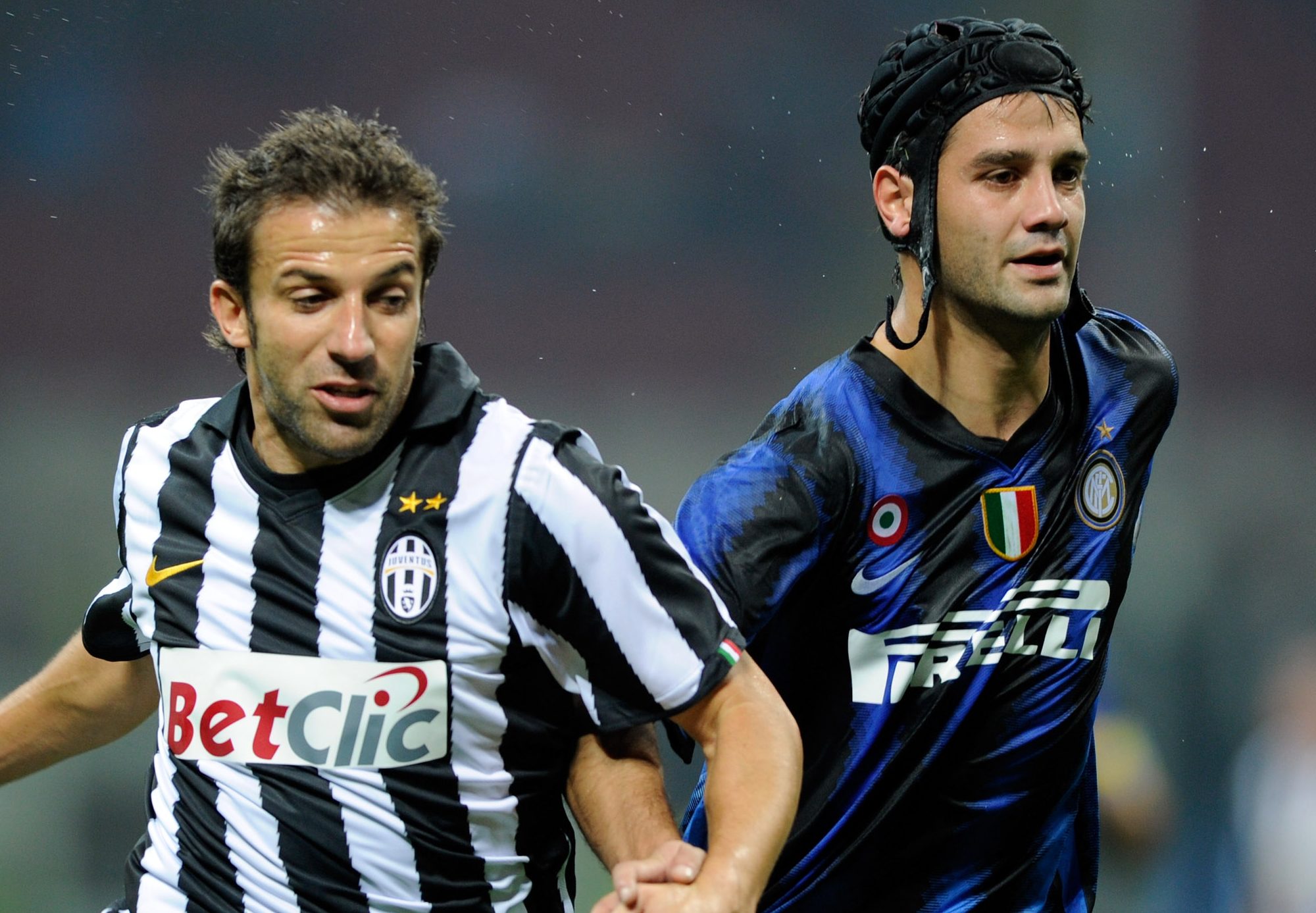
8. DERBY D’ITALIA (ITALY)
Italy’s representatives for the World Cup of Hate are the Derby della Madonnina (a rivalry built on success and passion) and the Derby della Capitale. The Derby d’Italia is somewhere in between, albeit with one major difference between the two. Juventus and Inter are in two different cities, which makes it the most heated, largest, most important such rivalry in Italian soccer. The two clubs have constantly competed for championships and fielded some of the best players in Italian soccer history. The battles of success have naturally created animosity between the two rivals, with multiple accusations of violence, intense encounters, and even allegations of favoritism and cheating that caused heated arguments in the Italian parliament (the latter in particular made even more ironic due to the Calciopoli scandal. The fact that — scandal that forces relegation aside — Inter and Juventus also play each other at least twice a season adds to the experience and guarantees two high stakes, high-intensity matches.
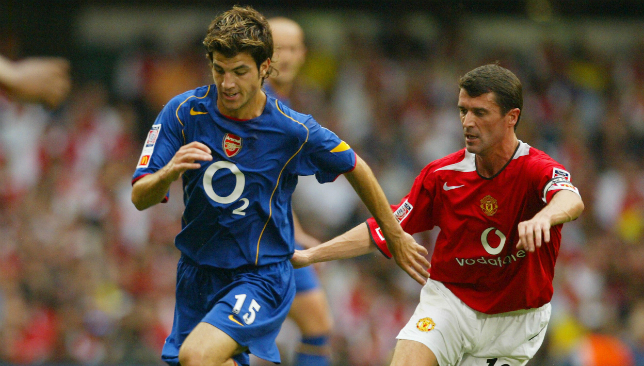
7. MANCHESTER UNITED-ARSENAL (ENGLAND)
Both Manchester United and Arsenal made the World Cup of Hate as part of their own great, historic rivalries. But each of them could have also made it for the rivalry between themselves. That rivalry — while technically starting nearly 100 years before the Premier League began — truly became a great one in the late 1990’s and early 2000’s, when the two clubs were fighting for the league championship. I’ve talked about how fantastic this rivalry was during the peak of its powers during the Roy Keane-Patrick Vieira and Six Alex Ferguson-Arsene Wenger entries, but even that just scratches the surface of the shit that went down during that time. But this rivalry nearly made it for one other reason — it’s personal to me. When I became a United fan, it was during this era, meaning Arsenal was the first English club I learned to dislike. The only time I’ve ever been publicly shit-talked about my United fandom was by a random Arsenal fan. I’ve got skin in this game. But even so, the other two rivalries objectively earned their spots.
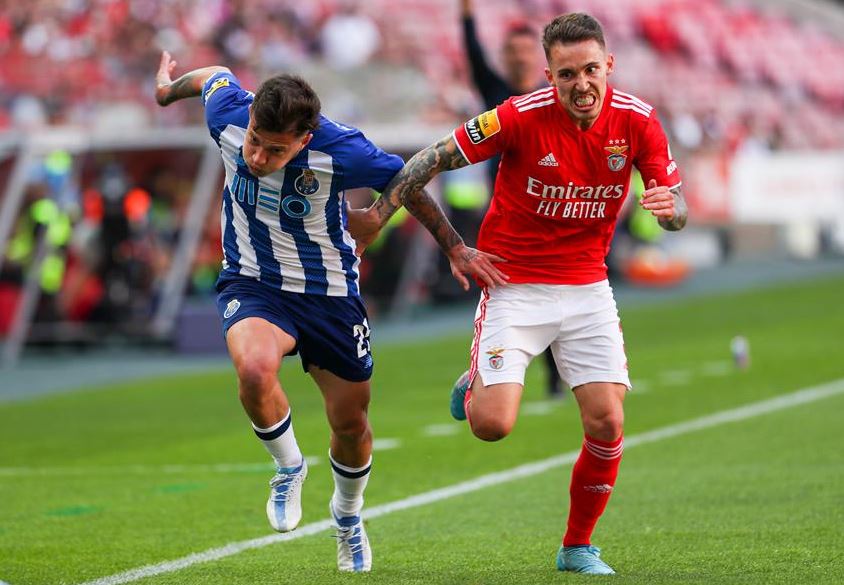
6. O CLASSICO (PORTUGAL)
When I centered on Portugal to end the European portion of the World Cup of Hate recruiting, I knew it had to be one of two rivalries — the Derby de Lisboa and O Classico. I ended up going with the former because of the more personal, inner-city roots between Benfica and Sporting and despite the contest being slightly favored towards Benfica. However, O Classico has plenty of material worthy of the tournament and includes the other member of Portugal’s Big 3, Porto. Benfica and Porto represent Portugal’s two biggest cities and are the country’s two most decorated clubs (and the only ones to win the UEFA Champions League). The fight for success between Portugal’s most famous club and the club representing a city that’s overshadowed by the capital (ironically nicknamed the “City of Light”). Incredibly, this rivalry has reached great peaks and narrowly missed out on a tournament berth even though Porto and Benfica have yet to play each other outside of domestic competition, though that could change in the future.
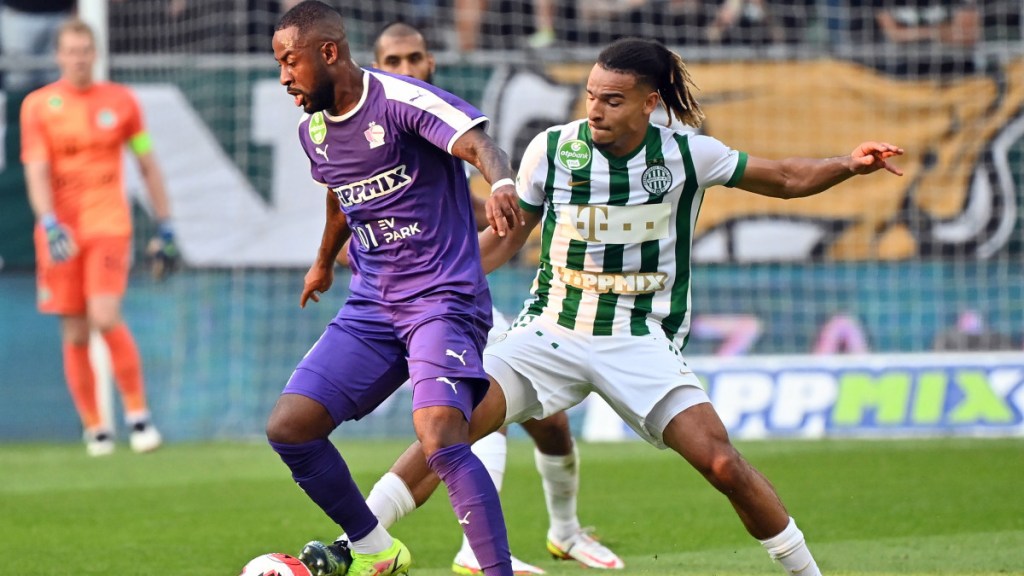
5. BUDAPEST DERBY (HUNGARY)
Hungary is often forgotten among the annals of soccer history. The 1954 FIFA World Cup squad is one the best to not win the tournament and Ferenc Puskas was one of the greatest goal scorers ever. When it comes to club soccer, that history isn’t as prolific, although the capital city of Budapest contains one the fiercest rivalries in Europe. Ferencvarosi TC and Ujpest FC have been at it since the 1930’s and are both the most popular clubs in Hungary and two of the most successful ones. Ferencvarosi were largely supported by Germans in Hungary, while Ujpest was supported by a big Jewish population. In the 1950’s, Ujpest was chosen by the government as the club of the police, with Ferencvarosi becoming the outsiders’ club. The Budapest Derby is full of hooliganism, with police making sure opposing fans get on separate trains with different routes to the stadium to avoid violence. Interestingly, comparisons have been made between the Budapest Derby and the Wiener Derby due to similar club colors (green and purple).
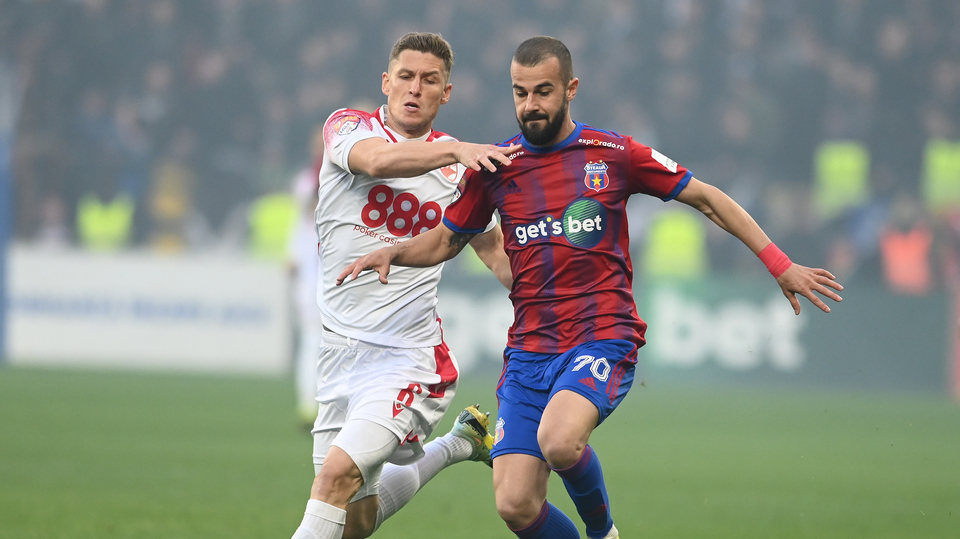
4. ETERNAL DERBY (ROMANIA)
What “Clasico” is to the names of rivalries across the Hispanic/Latin world, “Eternal Derby” is to rivalries in Eastern Europe. One Eternal Derby has made the World Cup of Hate, but two more nearly joined in as well. The first comes from Romania, which has its own notable, successful, and complicated soccer history. Both FCSB and Dinamo Bucuresti were founded in the 1940’s, with the former belonging to the Ministry of National Defence and the latter being the team of the Ministry of Internal Affairs. The Budapest clubs have dominated Romanian soccer as the country’s two most successful clubs, with FCSB being the only Romanian club to win the UEFA Champions League (doing so in 1986). This close proximity, fight for success, and close ties to a government that frequently sparked unrest within the population all sparked an intense rivalry with a chaotic atmosphere. No better example exists than a 1997 Eternal Derby match that saw Dinamo fans set fire to the away section in FCSB’s stadium, which is celebrated every year.
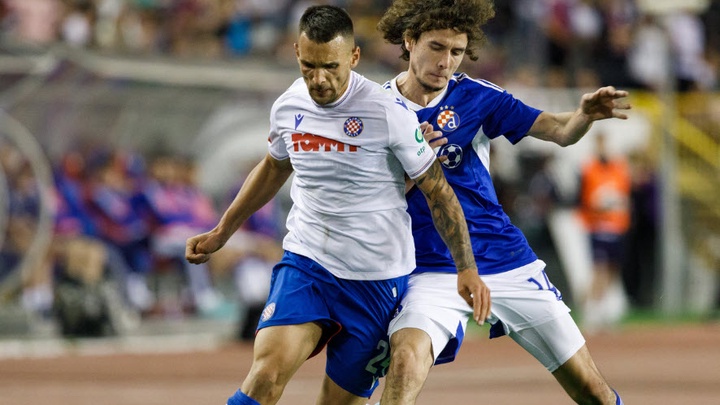
3. ETERNAL DERBY (CROATIA)
The other Eternal Derby that almost made the World Cup of Hate comes from Croatia and is very familiar to the Eternal Derby that did make it. Before Dinamo Zagreb and Hajduk Split were the top two squads in Croatia, they were half of the “Big Four” of Yugoslavian soccer, along with Red Star and Partizan. In fact, it was a match between Dinamo and Red Star that saw Zvonimir Boban kick a police officer, sparking a riot and playing a role in starting the Croatian War of Independence. While Red Star and Partizan kept their own hatred going in Serbia, Dinamo and Hajduk have kept locking horns in Croatia, becoming the country’s two most dominant clubs. In addition to the constant fights for success, that same pent up aggression caused by a bloody history seen in the Serbian rivalry flows through its Croatian counterpart, with matches often being transformed into a scene of fire and violence. Hooliganism, of course, also plays a big role in the rivalry, raising the already high level of danger to an even more incredible height.
2. AVELLANEDA DERBY (ARGENTINA)
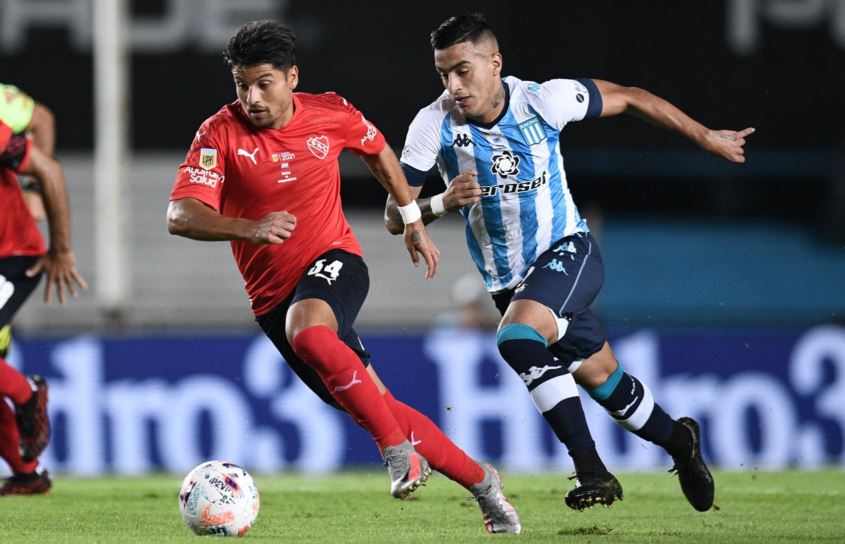
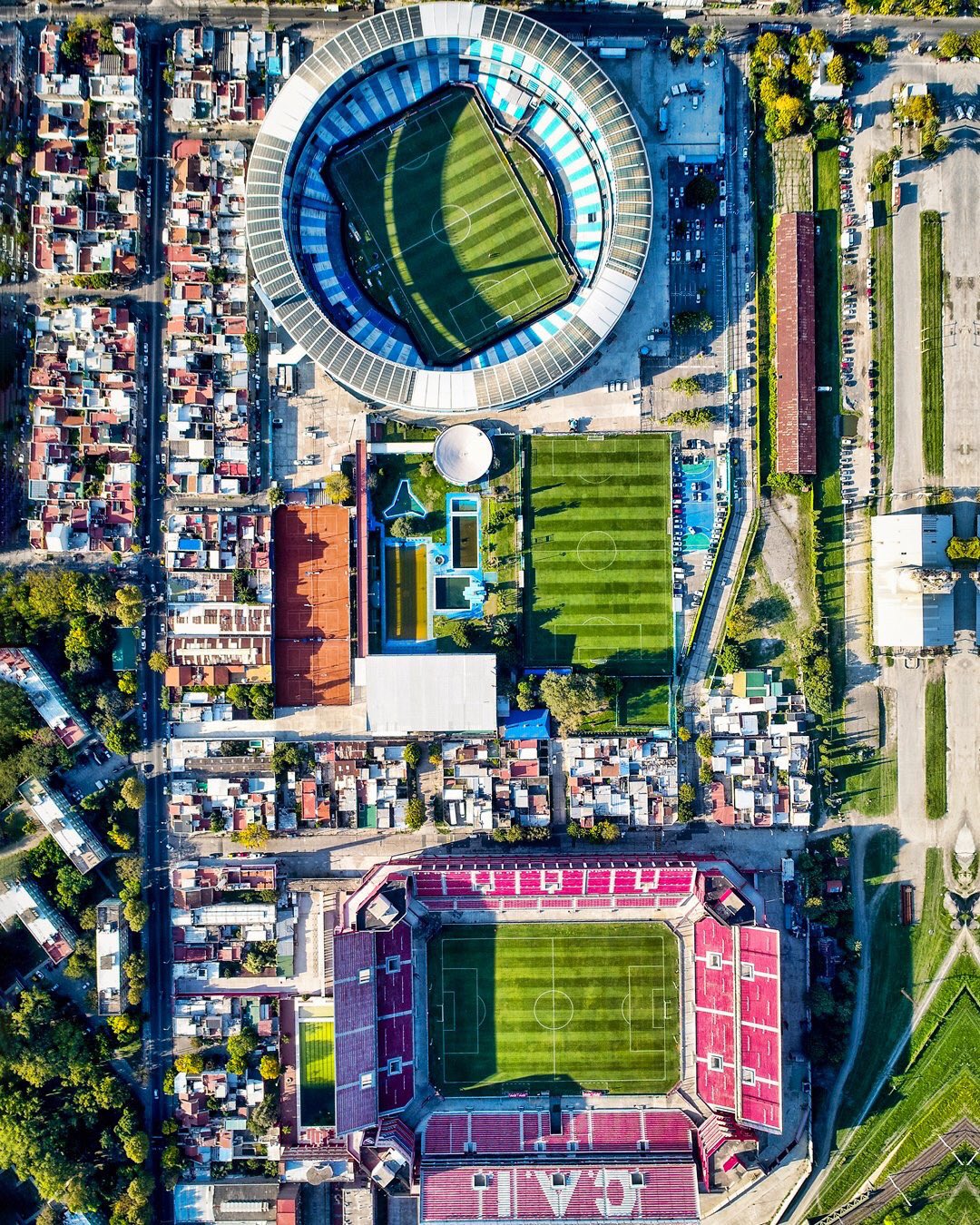
The Superclasico is undisputedly the biggest rivalry in Argentina and a favorite to win the World Cup of Hate. Unfortunately, that means the Avellaneda Derby — universally considered the second-biggest rivalry in Argentina and a Top 10 to Top 5 rivalry in all of South America — could not qualify itself. That’s a damn shame, because it’s fucking awesome. The Avellaneda Derby also takes place in Buenos Aires, between Independiente and Racing Club, whose stadiums are less than 300 meters apart. Things first became heated in 1915, when an Independiente win was overturned in court due to an ineligible player, giving Racing the league title. In addition to the red cards, on- and off-field violence, incredible atmosphere, and general chaos of the more famous rivalry, the Avellaneda Derby also has one of the wildest stories in sports. In 1967, Independiente fans buried seven cats in Racing’s stadium, placing a “curse” upon their rivals. Racing won their next league title 34 years later — after the seventh corpse had been found.
1. FLA-FLU (BRAZIL)
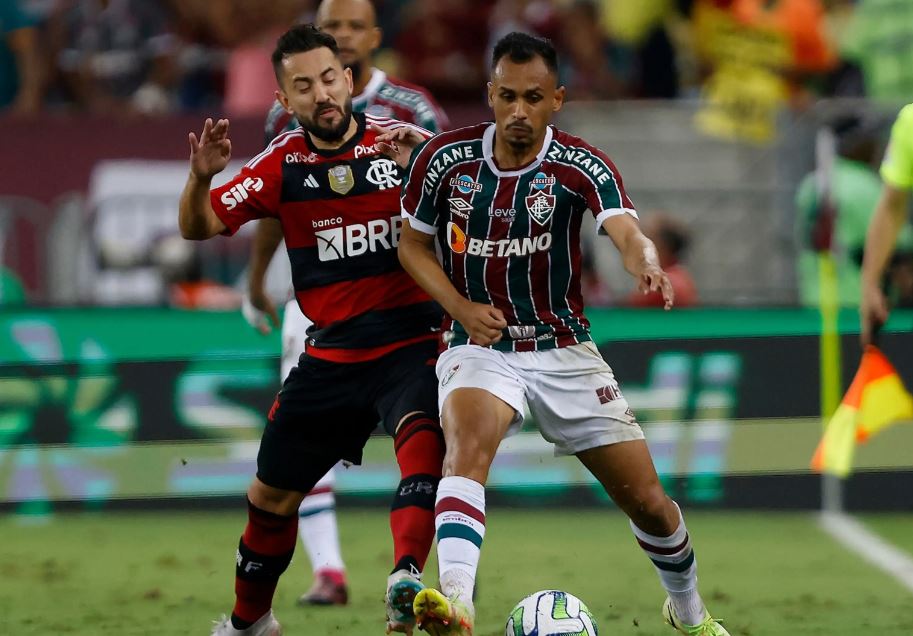
When trying to decide which two rivalries would represent Brazil, I had to keep one of the three undisputed biggest rivalries out of the tournament. Ultimately, Fla-Flu was the one that didn’t make the World Cup of Hate, which was an extremely close call that I’m still not sure I got right. Flamengo and Fluminense are two of the most successful clubs in Brazilian soccer and their rivalry is extremely competitive. In fact, Flamengo’s soccer team was formed when a group of dissatisfied Fluminense players left the club in 1911. Both clubs have since built up enormous followings and iconic and chaotic moments, which are amplified by the incredible atmosphere inside Rio de Janeiro’s famous Maracana Stadium. In fact, Fla-Flu claims the world record attendance for a soccer match, with 194,603 fans in the house for a 1963 contest. Fluminense is also the only soccer club in the world to hold the IOC’s Olympic Cup. There are plenty of unique and powerful aspects of Fla-Flu that make it the best rivalry that didn’t end up qualifying.
Looking at everything objectively, the Top 2 rivalries on this list and arguably several more deserve to not only participate in the World Cup of Hate, but reach the knockout stage. But for as fantastic and legendary as these rivalries are, there was ultimately a reason they weren’t selected for the tournament. While it’s definitely important that we give these rivalries a shout-out, we have to close this chapter of the story and start the next one. It’s time for those 32 rivalries to show what they’ve got. It’s time for Part 13 — the World Cup of Hate begins.
 Ruben's Writings
Leave a comment